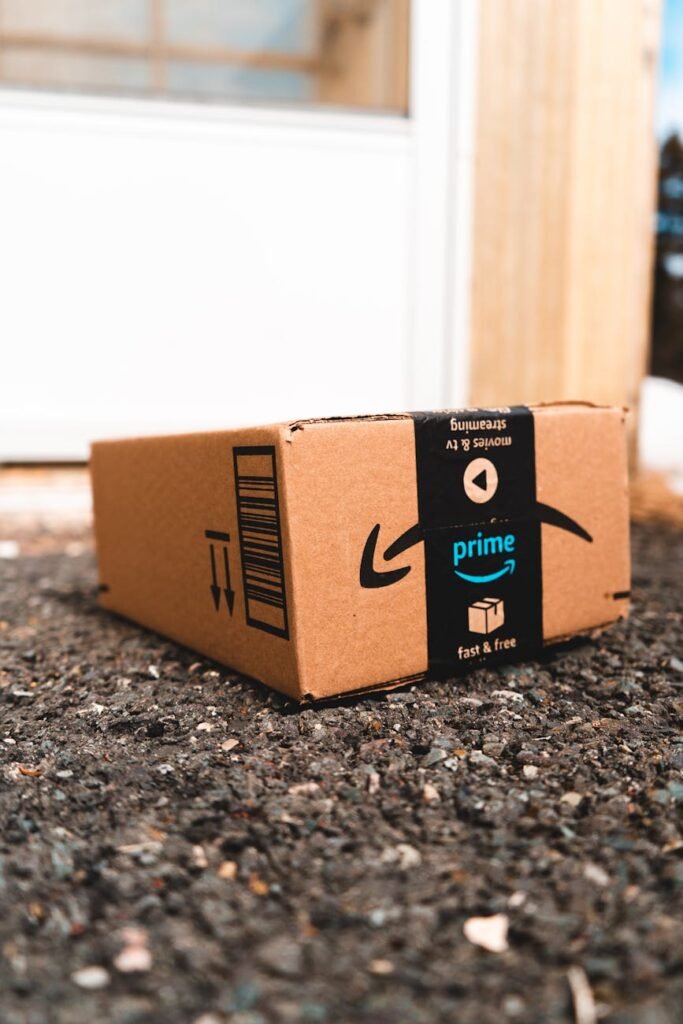
Leveraging Amazon FBA for Scaling Your Private Label Business
In the dynamic world of e-commerce, Amazon stands out as a colossal marketplace that offers an unparalleled opportunity for entrepreneurs looking to scale their businesses. For private label sellers, leveraging Amazon’s Fulfillment by Amazon (FBA) service can be a game-changer — streamlining operations, enhancing customer experience, and ultimately driving revenue growth. If you’re running or planning to launch a private label brand on Amazon, understanding how to effectively use FBA is crucial for scaling your business efficiently and sustainably.
In this post, we’ll dive into what Amazon FBA is, why it is particularly advantageous for private label sellers, and how you can leverage it to scale your private label business to new heights.
What is Amazon FBA?
Fulfillment by Amazon (FBA) is a service where Amazon handles the storage, packaging, and shipping of your products, as well as customer service and returns. Private label sellers ship their inventory to Amazon’s fulfillment centers, and whenever a customer places an order, Amazon picks, packs, and ships the product on behalf of the seller.
By outsourcing fulfillment and logistics, sellers can focus on building their brand, optimizing listings, sourcing or manufacturing better products, and marketing — all while Amazon ensures fast and reliable delivery.
Why FBA Is Ideal for Private Label Businesses
1. Prime Eligibility – Increased Customer Trust & Sales
One of the biggest advantages of FBA is that your products automatically become Prime-eligible. Prime members are more likely to buy because of faster, free shipping and the trust Amazon’s Prime badge evokes. This can significantly increase your product’s visibility and conversion rate.
For private label sellers building their own brand, gaining trust can be challenging initially. Associating your brand with Amazon’s fulfillment prowess provides instant credibility and a competitive edge.
2. Reduced Operational Hassle
Managing inventory, packing orders, coordinating shipping, and handling returns can be resource-intensive, especially as your sales volume grows. With FBA, Amazon takes over these complex logistics ensuring faster delivery and smooth customer service, freeing your time to focus on strategic business aspects like product development and marketing.
3. Access to Amazon’s Global Fulfillment Network
Amazon has fulfillment centers located around the world. This global presence allows you to easily expand into international markets without the typical hassles associated with cross-border shipping, customs, and local regulations. You simply send your products to the nearest fulfillment center, and Amazon handles the rest.
4. Improved Buy Box Potential
The Buy Box is the holy grail for private label sellers on Amazon—it is the box on a product listing page where customers can directly click “Add to Cart.” Being the Buy Box winner dramatically increases your chances of making a sale.
FBA sellers often have higher chances of winning the Buy Box due to faster shipping, better seller metrics, and Amazon’s preference for Prime-eligible offers.
Strategies for Leveraging Amazon FBA to Scale Your Private Label Business
1. Optimize Your Inventory Management
As your business scales, efficient inventory management becomes critical. Stockouts lead to lost sales and even hurt your product’s ranking, while overstocking increases storage fees and ties up capital.
- Use Amazon’s inventory planning tools or third-party software to forecast demand accurately.
- Monitor your sales velocity and seasonal trends.
- Avoid long-term storage fees by managing aged inventory through promotions or liquidation if necessary.
Consistent inventory availability ensures you continuously capitalize on sales opportunities and maintain your product ranking.
2. Utilize FBA to Fast Track Product Launches
Launching a private label product can be daunting. Amazon FBA can help you cut down the time between production and customer delivery by handing the storage and fulfillment logistics.
- Ship your inventory directly from your manufacturer to Amazon’s fulfillment centers.
- Use Amazon Early Reviewer Program or Amazon Vine to quickly gather reviews, leveraging Prime fast shipping to encourage customer satisfaction.
- Drive external traffic (social media, influencers, paid ads) to your Prime-eligible listings, boosting initial sales velocity, which helps improve organic rankings.
3. Expand to International Markets with FBA Global Selling
Amazon’s FBA Global Selling program allows private label sellers to list and fulfill products internationally with minimal additional effort.
- Research target markets and local demand for your product.
- Use Amazon Global Selling to move inventory to Amazon fulfillment centers abroad.
- Leverage Amazon’s localized platforms (e.g., Amazon UK, Amazon Germany, Amazon Japan) without managing foreign logistics yourself.
Going global broadens your customer base and diversifies revenue streams, fueling scalable growth.
4. Take Advantage of Amazon’s Multi-Channel Fulfillment (MCF)
Once your inventory is in Amazon’s warehouses, you are not limited to selling only on Amazon. Through Multi-Channel Fulfillment (MCF), you can fulfill orders from your own website, other marketplaces, or brick-and-mortar retail stores using Amazon FBA.
- Centralize your inventory and logistics with Amazon.
- Offer fast, reliable shipping on your own online store to compete with other ecommerce giants.
- Scale sales across multiple channels while leveraging Amazon’s operational efficiency.
5. Optimize Product Listings Using FBA Benefits
Amazon’s algorithm favors listings that provide excellent customer experience, and FBA helps deliver just that. To fully leverage FBA for growth:
- Highlight “Fulfilled by Amazon” and Prime badges in your product descriptions and marketing materials.
- Use Enhanced Brand Content (or A+ Content) to elevate your product listings and reinforce brand identity.
- Encourage customers to leave reviews by following up post-purchase — positive reviews coupled with Prime fulfillment can drastically increase conversion rates.
High-quality listings combined with FBA’s fast delivery create a compelling value proposition for buyers.
6. Monitor and Minimize FBA Fees
While Amazon FBA offers immense value, fees can potentially erode your margins if not closely managed. Products that are oversized, slow-moving, or stored long-term incur higher fees.
- Regularly review your FBA fee reports.
- Optimize packaging to reduce dimensional weight charges.
- Adjust pricing to maintain profitability without sacrificing competitiveness.
- Use Amazon’s “Restock Inventory” recommendations and removal orders proactively.
A keen eye on fees ensures sustainable scaling without unexpected cost inflation.
Addressing Common Challenges When Scaling with Amazon FBA
Storage Limits & Inventory Restrictions
Amazon sometimes imposes limits on how much inventory sellers can send to fulfillment centers, especially during peak seasons. Planning well in advance and coordinating with Amazon Seller Support is vital as you scale.
Quality Control and Product Consistency
Since inventory goes directly to Amazon, strict quality control at the manufacturing level is crucial. Defective or inconsistent products can quickly lead to negative reviews and impact your brand’s reputation.
Managing Cash Flow
Scaling involves greater inventory investments, and with Amazon’s payment cycles, cash flow management becomes critical. Seek to build strong relationships with suppliers and consider options like Amazon Lending or external funding to maintain healthy liquidity.
Conclusion
For private label sellers, Amazon FBA is not just a fulfillment service; it’s a powerful growth enabler. The combination of Prime eligibility, operational efficiency, multi-channel possibilities, and access to international markets empowers sellers to scale their private label businesses faster and more effectively than ever before.
- Optimize inventory and monitor fees carefully.
- Use Amazon’s network to expand globally.
- Enhance your product listings and use Prime badges to build customer trust.
- Diversify sales channels using Multi-Channel Fulfillment.
- Maintain quality at the source to protect your brand reputation.
By strategically integrating FBA into your private label operations, you free yourself from logistics headaches and put your energy where it matters most — innovation, branding, and customer engagement. The result? A scalable, sustainable private label brand flourishing on the world’s largest e-commerce platform.
If you’re ready to scale your private label business and harness the power of Amazon FBA, start with a clear plan, stay adaptable, and continuously optimize your operations to maximize growth and profitability. The Amazon marketplace rewards those who combine great products with exceptional customer experience—and FBA is your best partner in delivering just that.